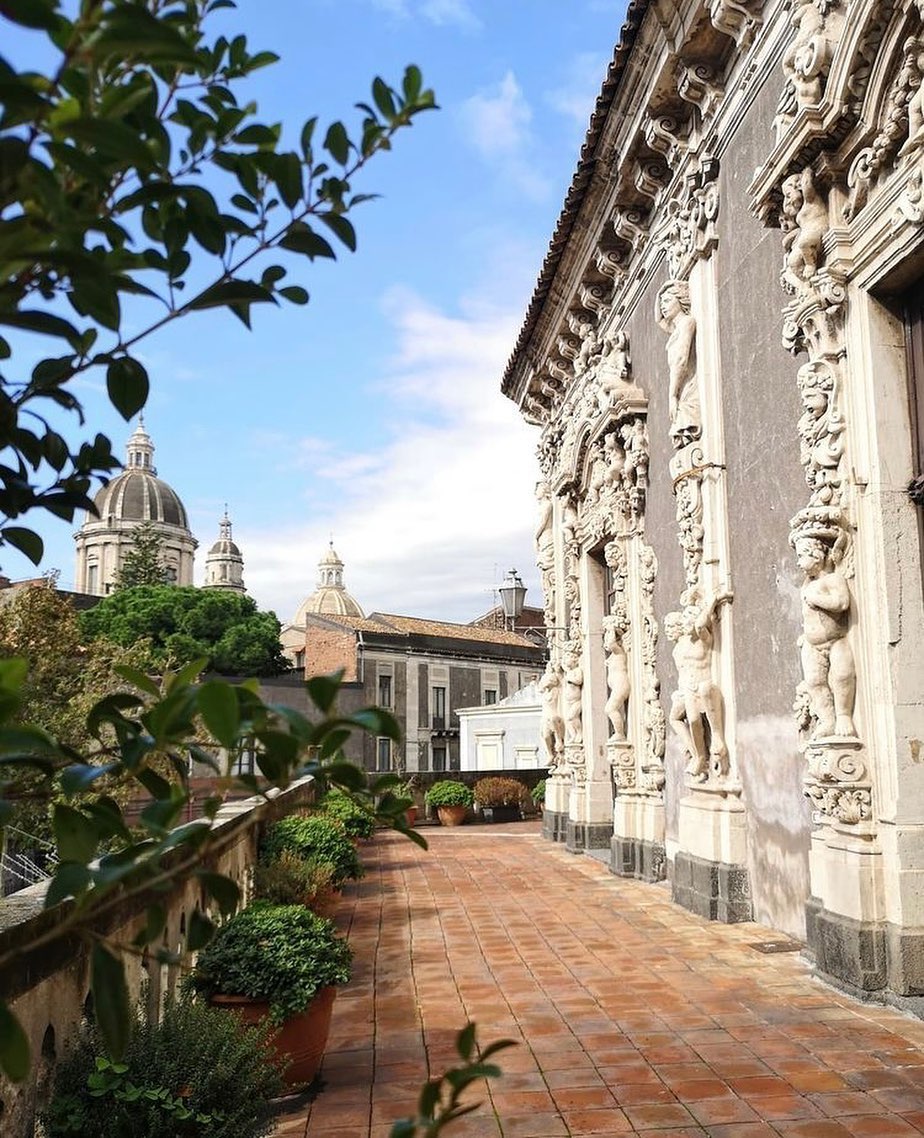
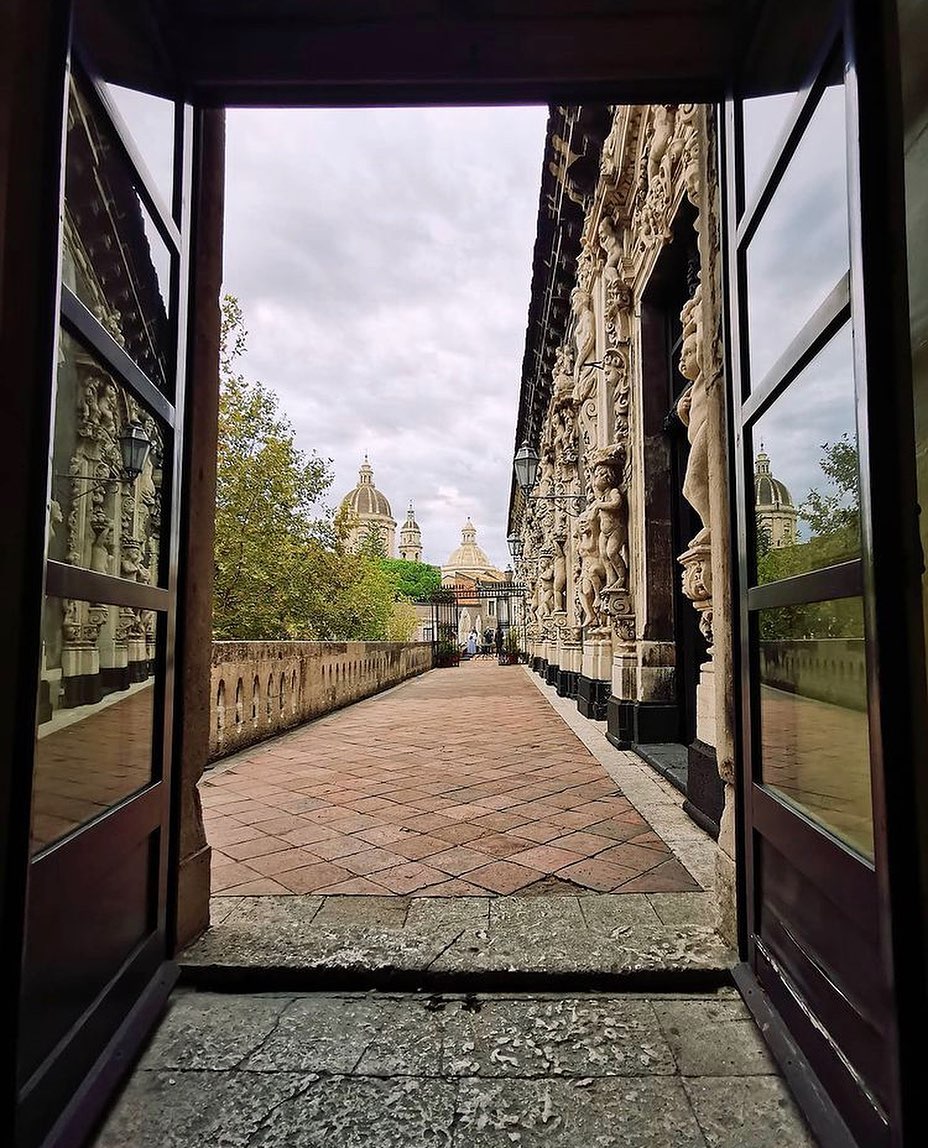
Palazzo Biscari fills an entire block of Catania’s Civita district and faces the harbour from above the Arches of the Marina. It is an eighteenth-century private residence, built on top of the sixteenth-century city walls — and until the 1920s the sea still reached the foot of its bastions.
Built on the walls of Charles V
The earthquake of 1693 flattened eastern Sicily, and the rebuilding of Catania became a single vast building site. The walls raised in the previous century under Charles V had lost their purpose, and the Paternò Castello — princes of Biscari — were among the very few families granted royal permission to build on top of the bastions.
You can still read that decision in the building. The palace does not address a square, the way most Sicilian palaces do. It addresses the water.
Work began in the years after the earthquake and went on through three generations: Ignazio Paternò Castello, third Prince of Biscari, who died in 1699; his son Vincenzo (1685-1749); and his grandson Ignazio (1714-1786), the fifth prince, who gave the palace the shape you see today. There are some seven hundred rooms. Almost everything that matters is in the state rooms.
The prince who opened his collection
Ignazio V is the reason this is not simply a grand house. He had gathered the archaeology himself, on his own estates in the Piana and at Biscari, and a museum already existed when the palace still had a single floor.
In 1752 he commissioned the architect Giuseppe Palazzotto to design rooms for the collections. The museum opened in 1758. When Palazzotto died in 1764, Francesco Battaglia took over, enlarging the spaces and reordering the displays.
It was a museum open to scholars — and in the eighteenth century that was enough to put a city on the route of the Grand Tour. Travellers came to Catania to see it.
What Goethe saw, on 3 May 1787
Johann Wolfgang Goethe was one of them. An abbot connected to the household had called on him at his inn the evening before; the next morning he came back and walked him to the palace.
Goethe saw the museum first — marble and bronze statues, vases, antiquities of every kind — and recognised a torso of Jupiter already familiar to him from a copy he had seen in Tischbein’s studio. Then the prince received him in a high, spacious hall and showed him the coin collection himself, which Goethe noted as a mark of particular deference. Before leaving he was presented to the prince’s mother, in whose apartment smaller pieces were kept: worked amber, engraved shells, ivories.
He wrote it down in the Italian Journey. It is why this palace comes with something most buildings don’t have: an eyewitness account of what it was like to be shown around it.
Inside
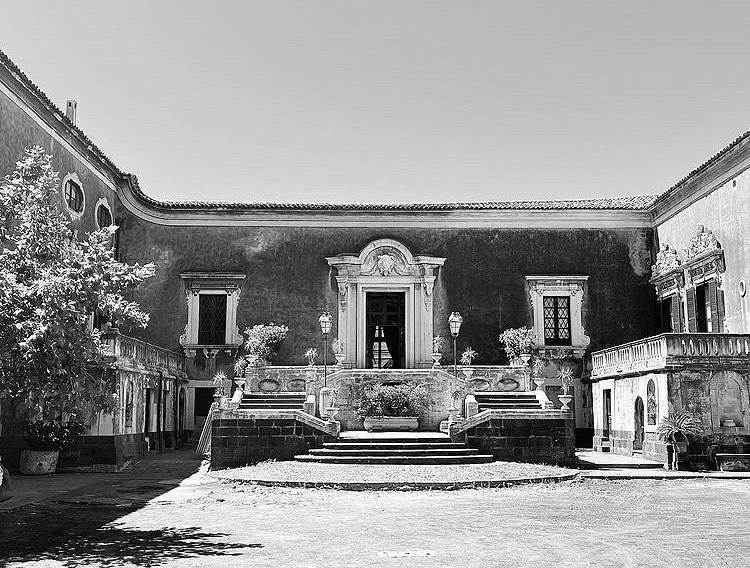
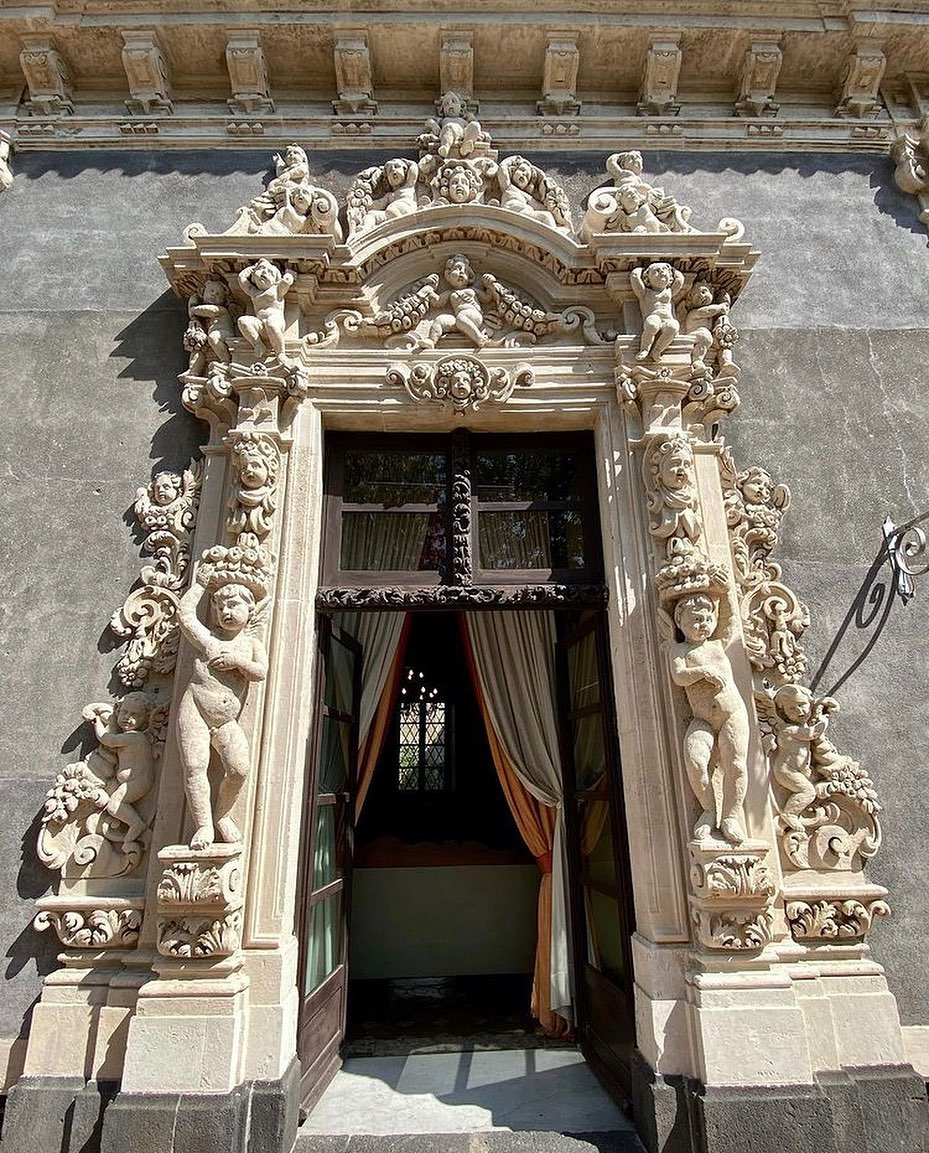
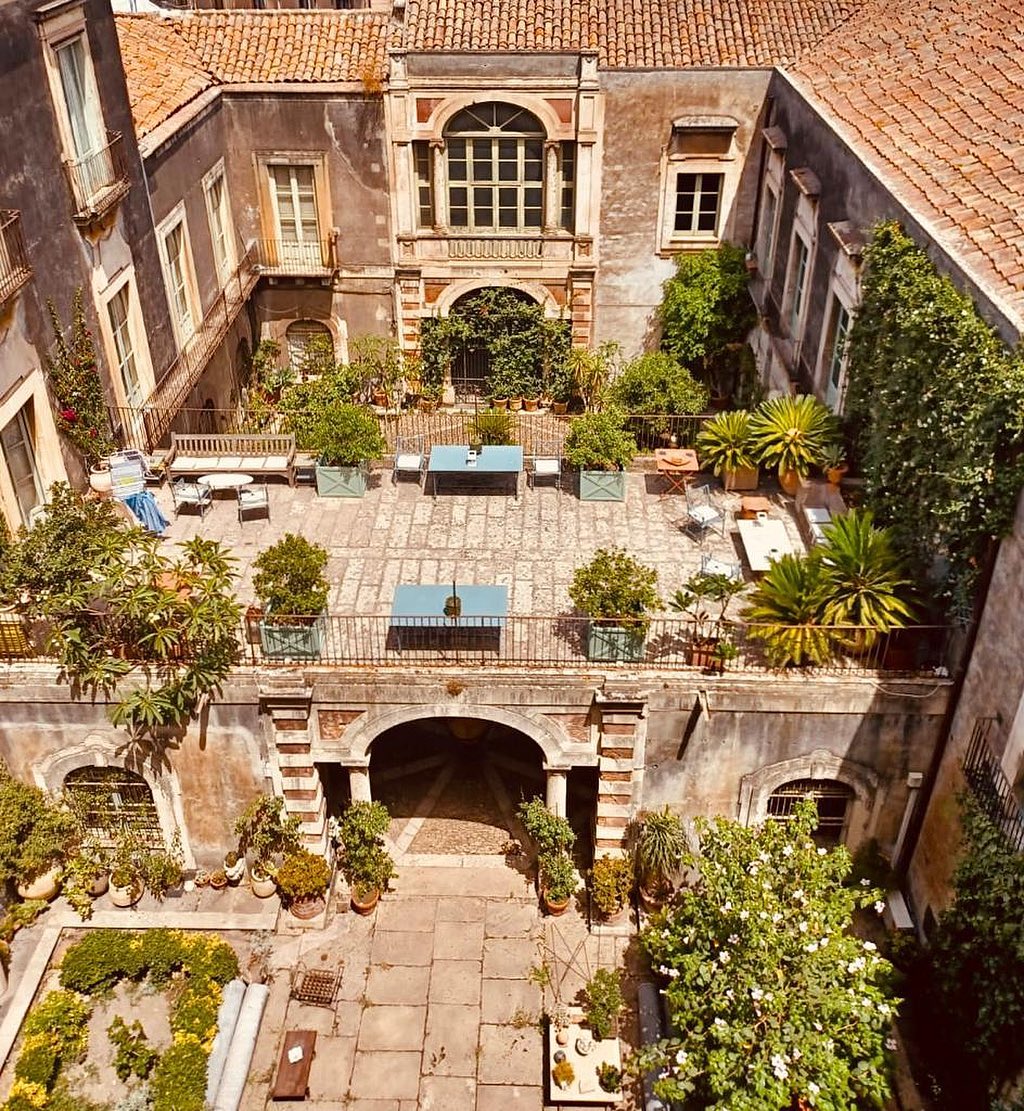
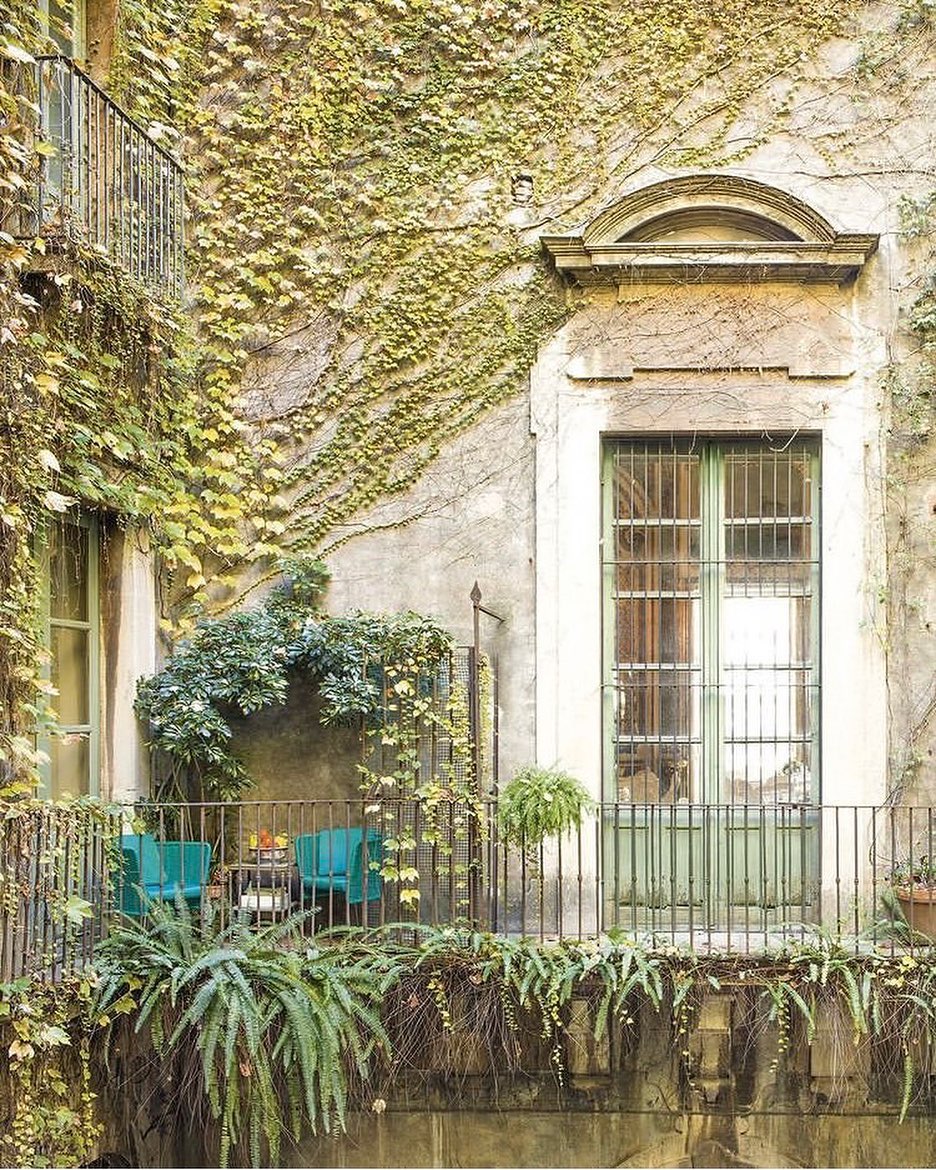
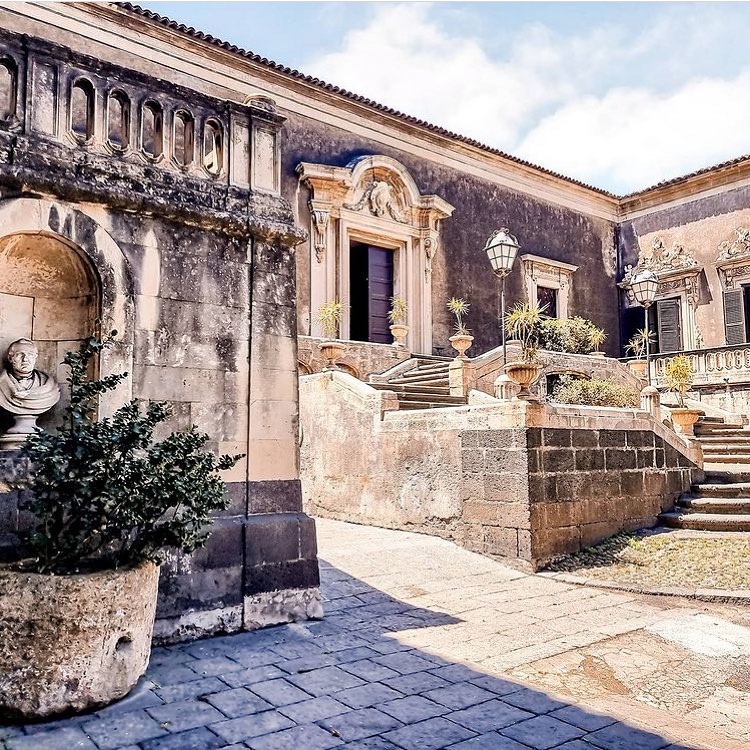
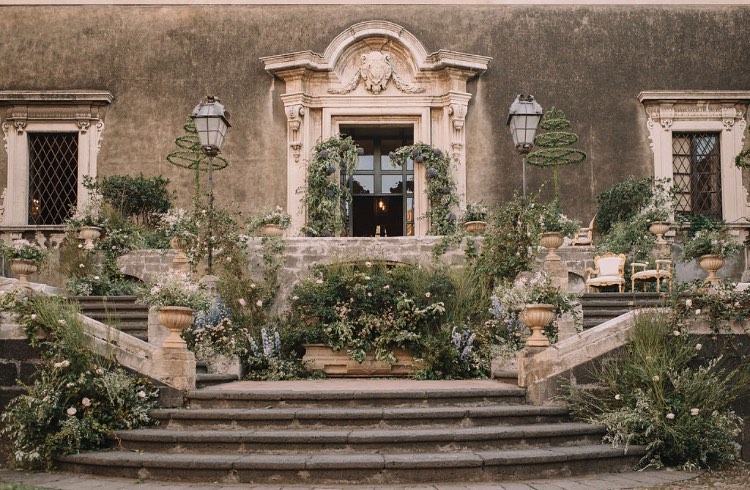
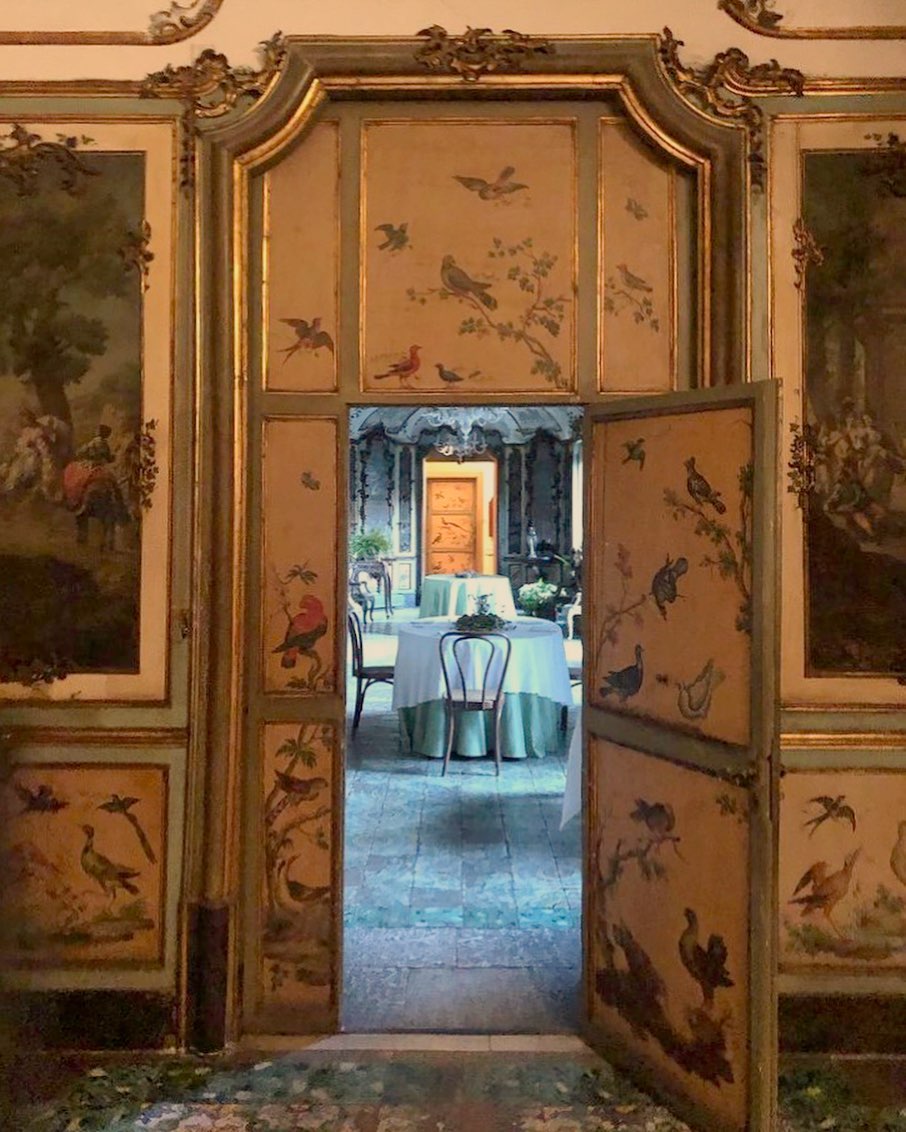
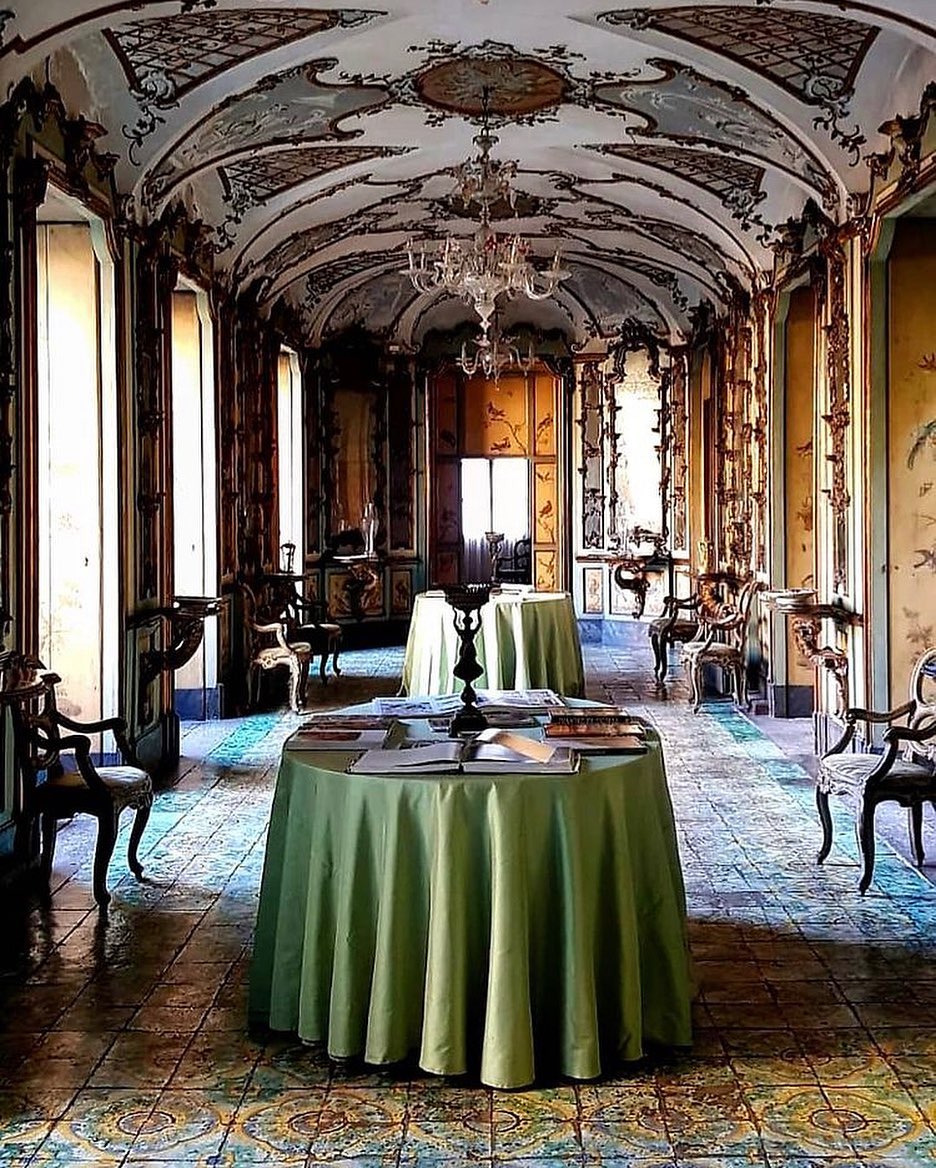
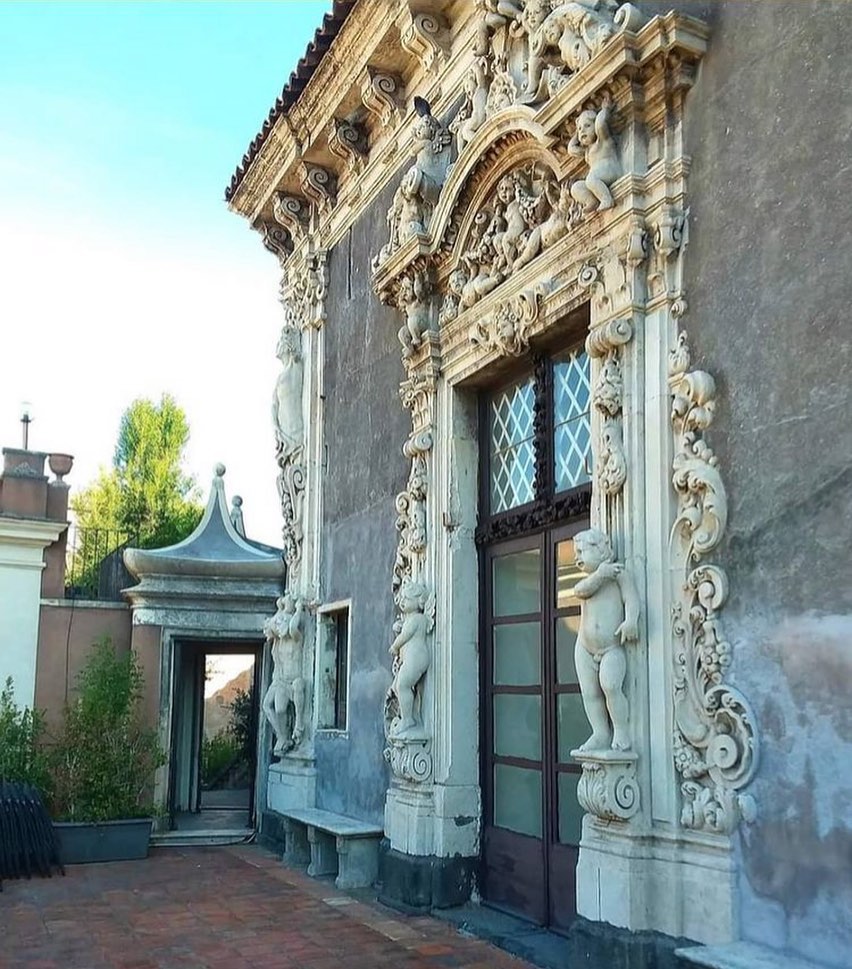
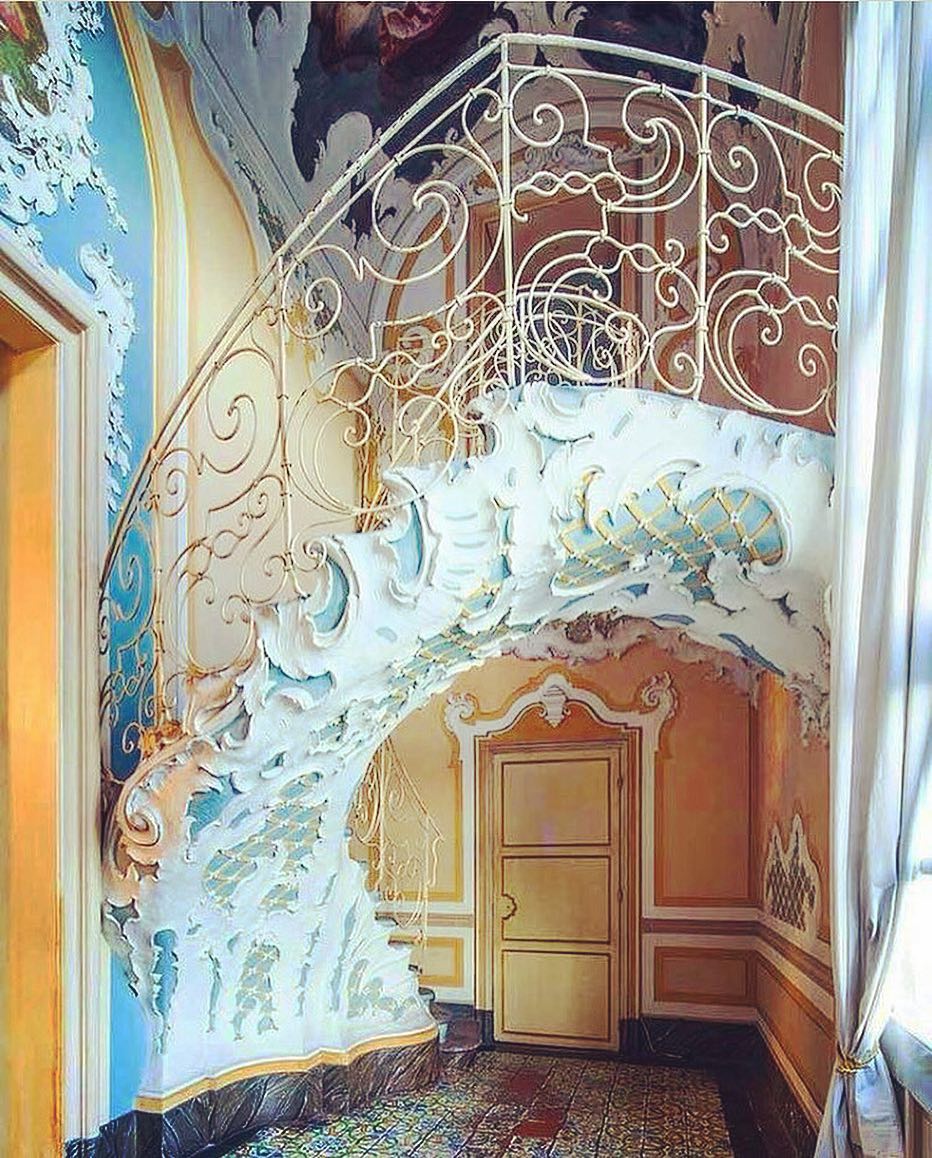
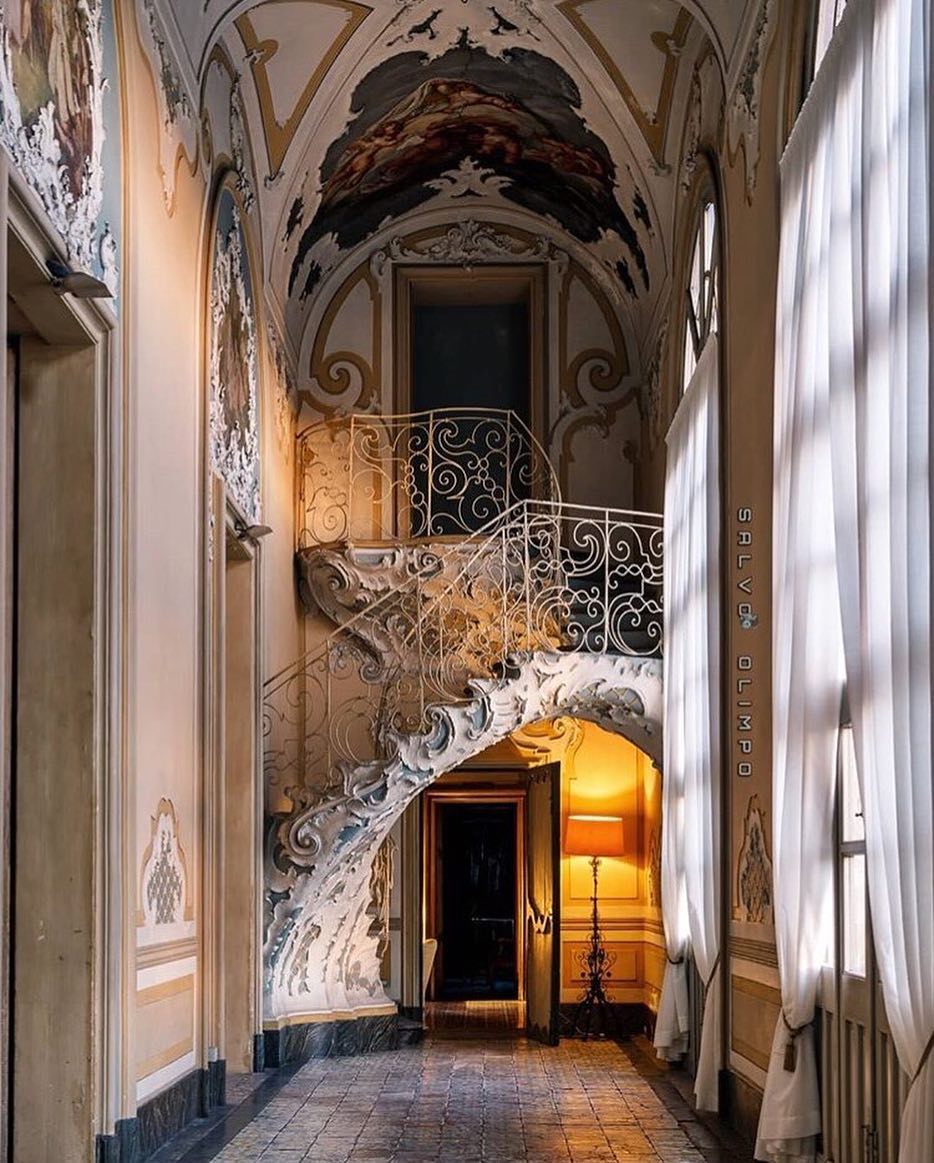
From the street the palace barely announces itself. The elevation is plain except for the portal, which carries the genealogical standard of Vincenzo IV. Behind it opens a courtyard — once full of trees, flowerbeds and pergolas, now bare — and a staircase climbs to the great room hung with paintings of the family’s fiefs.
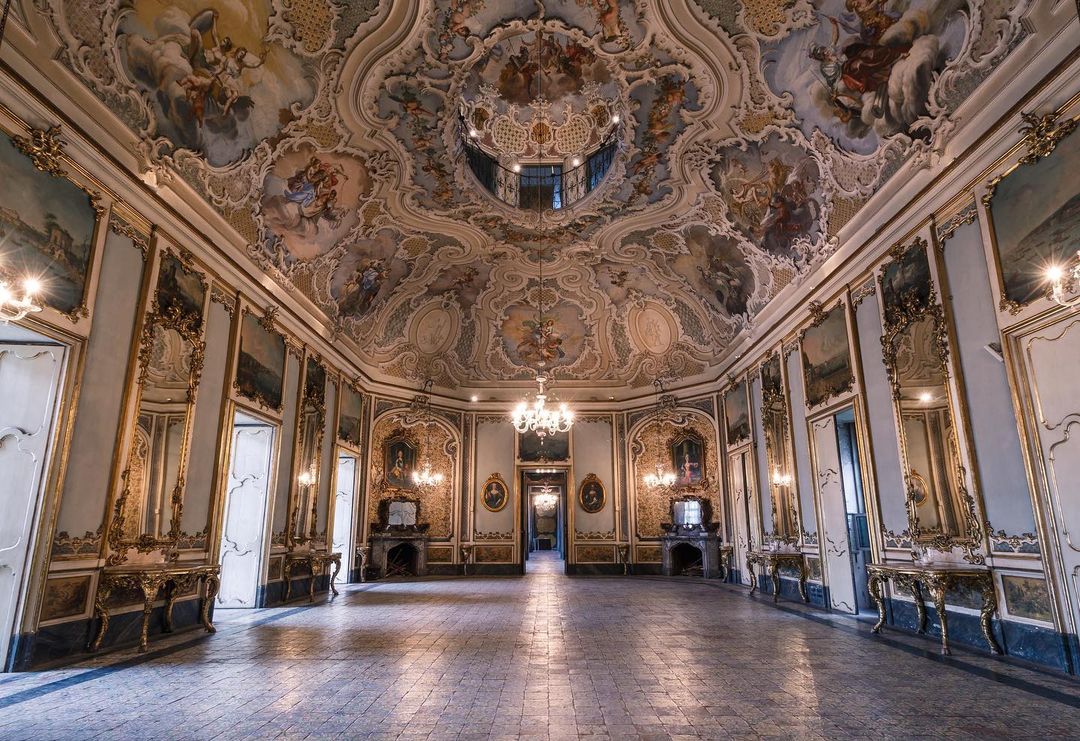
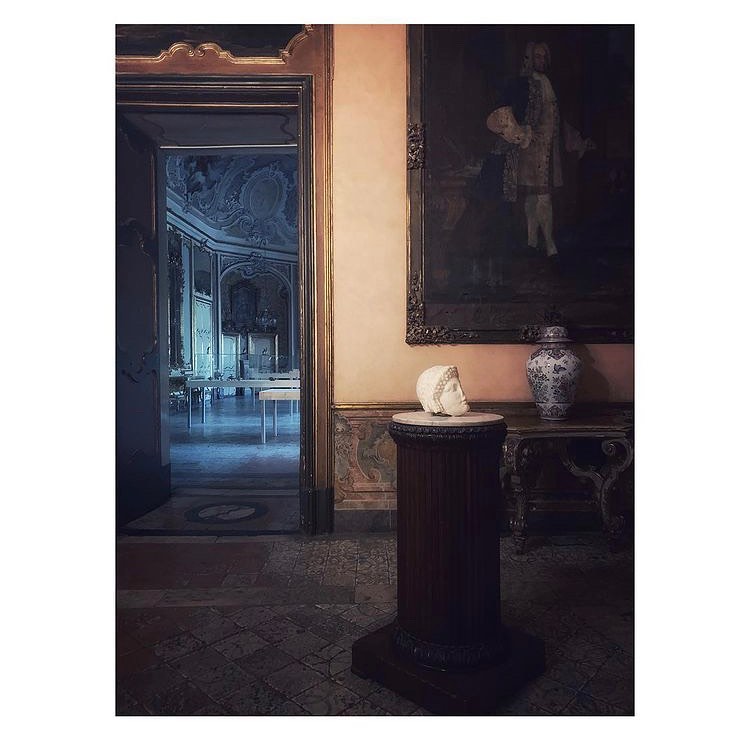
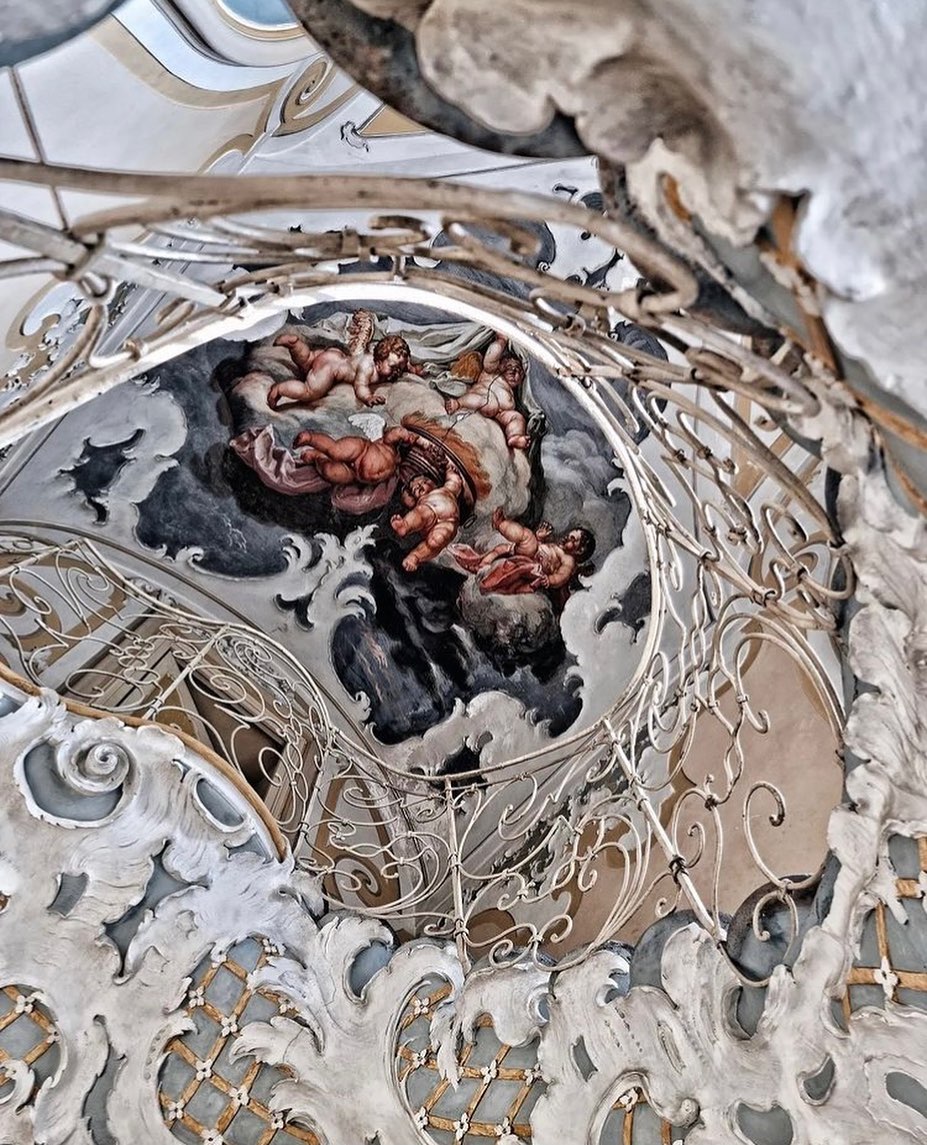
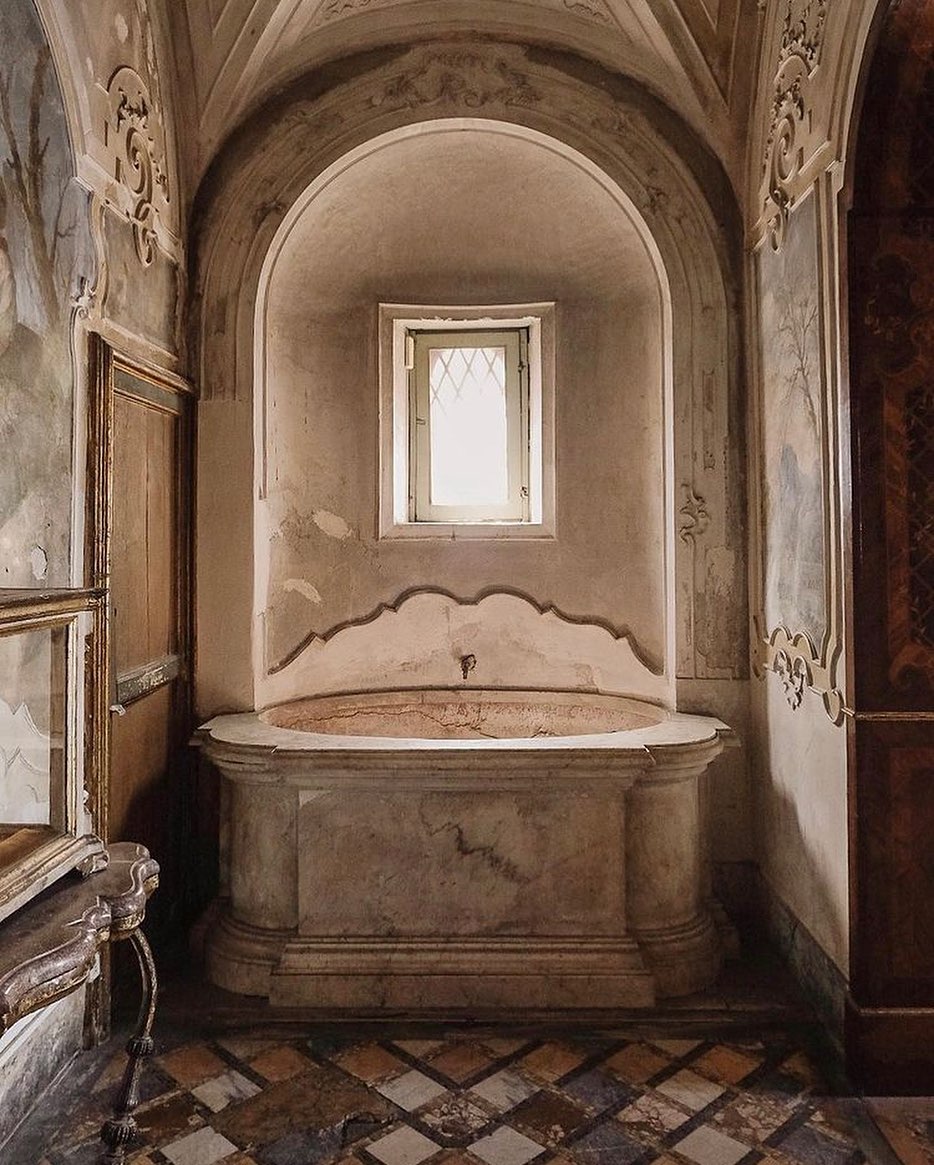
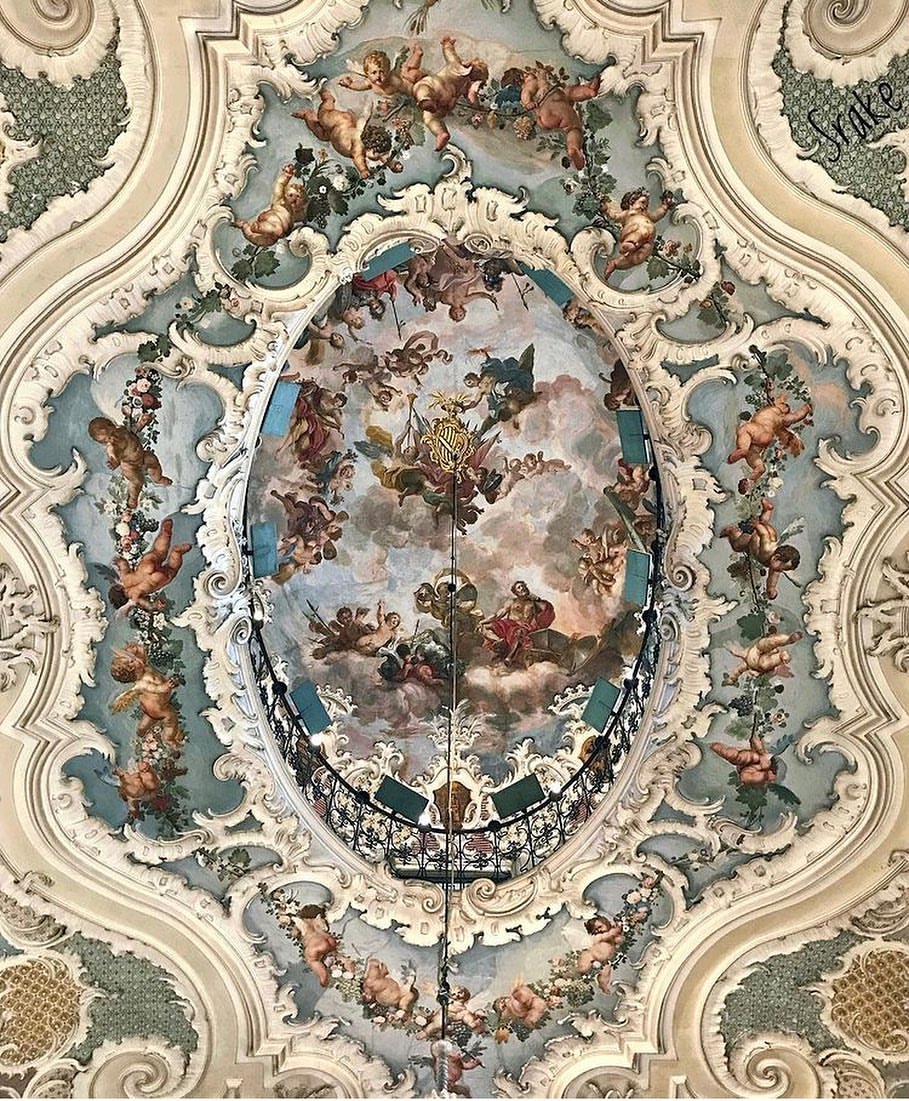
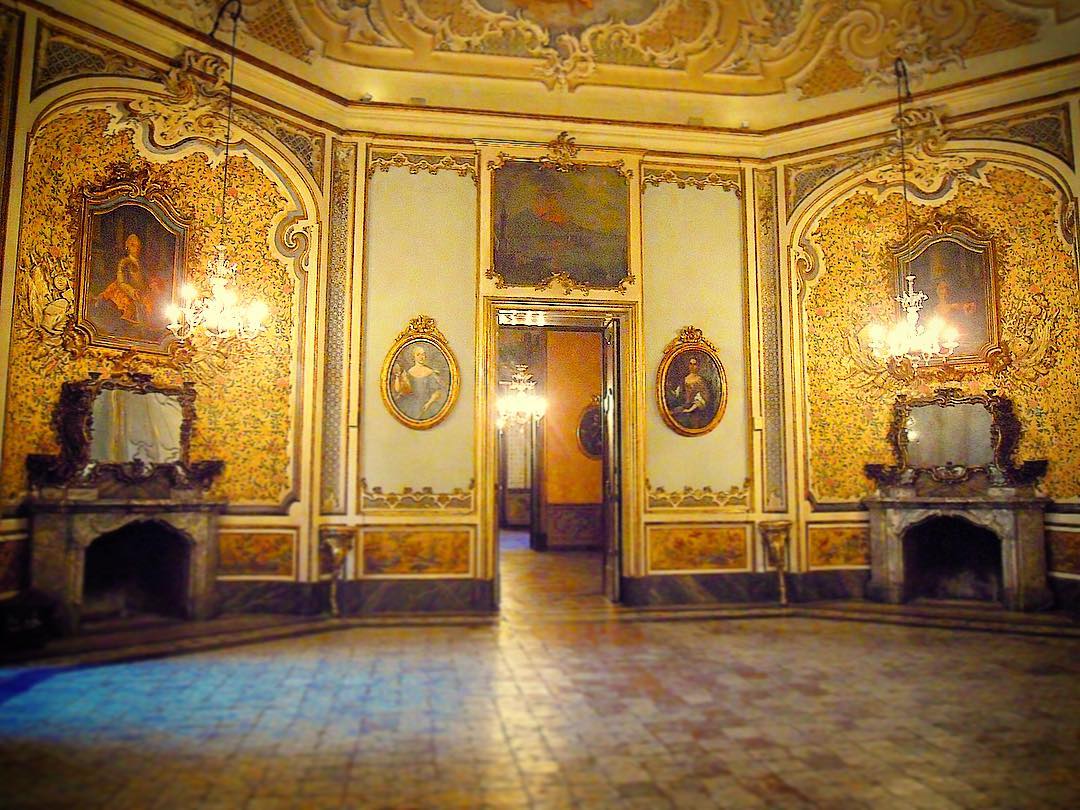
Then the Green Room, with its pictures and overdoors and a terracotta floor inlaid with white Syracuse stone. Then the Red Room, with the family portraits. And at the end the hall known as the Salone dell’Orchestra: rococo with a Neapolitan inflection, where the vault opens at its highest point into a great oval gallery.
Where the collections are now
They are no longer here. Between 1927 and 1930 Roberto, tenth Prince of Biscari, gave his share of the museum to the city of Catania; the other co-heirs followed, and the municipality bought out the remaining shares.
In 1930 the archaeologist Guido Libertini catalogued the material while it was still inside the palace — few pieces, he noted, had ever had scholarly treatment. On 20 October 1934 Castello Ursino opened as the seat of the city’s combined museums, and the Biscari holdings became its largest single component.
To find even part of what Goethe saw, you now have to cross the city to Castello Ursino.
Visiting Palazzo Biscari
The palace is open by appointment, on guided visits. Times and openings shift with what the house is hosting — it has staged exhibitions and concerts since 1971 — so the current schedule is kept by the palace itself, which handles visits directly.
If you are building a stay in Catania and want Palazzo Biscari in it, write to us: the palace sits naturally within a wider route across eastern Sicily.
Position
Address Museo Biscari, 10 – 95131 Catania
Profile IG @palazzobiscari
Info Contacts
+39 366 211 6145
Availability Request
Share your dates, number of guests, and the kind of stay you have in mind.
Within 24 hours, we will send you the best available option.